








News
News
Tartan Day 2024
We Scots are people with a deep sense of national pride. Our history is deep and decadent, rife with powerful politics, leading literature and compelling clans!
Our traditions have lasted centuries and spread all over the world, following a sea of Scots who emigrated to other countries and brought our cultures to life in other walks of life.
The heritage within those of Scottish descent has never gone away. Old Scots ways have been brought forth with a modern-day spin, and one rapidly increasing event celebrating Scots across the world is Tartan Day!
Origins in Canada
On the 9th of March in 1986, during a meeting of the Federation of Scottish Clans in Nova Scotia, Canadian-Scots Bill Crowel and Jean MacKeracher-Watson proposed a new way to celebrate their Scottish Heritage! They suggested ‘Tartan Day’ - an event they used to revel in their Scots Roots as a large group!
The very first Tartan Day was celebrated on the 6th of April in 1987 and has continued to be held on (or around) that date.
Year after year, this tradition has spread and gained popularity to the point of being adopted by many different Canadian provinces and territories. This continued until the Canadian government officially recognised it as a national event in October 2010 and the very first official event was held in 2011.
The celebrations of Canadian Tartan Day involve dancing, drums and pipes all hosted by the Sons of Scotland Pipeband, Canada’s oldest Pipeband at Parliament Hill. 2023 was the 15th year that the Pipeband has hosted the event.
To The United States
From observing many Tartan Day festivities in Canada, a group of American-Scots from the Scottish Heritage Organisation (chaired by John H.Napier III) proposed that they bring Tartan Day to the United States, to unanimous agreement with all attendees present.
In order to promote the first (yet unofficial) US Tartan Day, many advertisements were placed in heritage and genealogy publications. It clearly worked as Tartan Day in the US has only increased in popularity!
From the very first Tartan Day in the US, it was held each and every year as an unofficial holiday by all who celebrated it until President George W.Bush signed a presidential proclamation on the 4th of April 2008, declaring that the US Tartan DAy would be celebrated as a national holiday annually on the 6th of April.
But, easily, the biggest celebration of the US National Tartan is The New York City Tartan Week!
New York City Tartan Week
The very first New York City Tartan Day held in 1999 was nowhere near the size it would eventually grow to! It consisted of simply two pipebands and a “small but enthusiastic group of Scottish Americans’” who walked through the streets of New York City. However the size of the event rapidly grew until, in 2002, it was almost unrecognisable as the same event!
The 2002 parade featured the brand new National Tartan Day New York committee, over 8000 pipers and drummers who marched through the streets of New York City, and were led by then New York City Mayor Michael Bloomberg and famed Scottish actor Sir Sean Connery!
Now the parade is a grand affair featuring pipebands, members from clan societies, Highland Games organisers, Scottish-American societies, the New York Mounted Police, alumni clubs of Scottish Universities and even members of Scotland’s tourism board VisitScotland! As well as this, the parade has a new Grand Marshall everytime, often a Scottish celebrity (this was actress Gail Porter in 2023!) This celebrates Scots achievements on a grander scale and brings forth pieces of our culture to another group of people who want to basque in it!
This event draws tens of thousands of attendees to celebrate the deep rooted Scottish ancestry present within the United States, all of which makes it one of the city’s larger parade events. It has evolved so much that it is no longer just a day, but an entire week of tartan!
The week begins with the originally named ‘Tartan Day’ while the annual parade is held on the Saturday of week in question.
The rest of New York Tartan Week features many activities. From pipeband competitions, Ceilidhs and even exhibitions of Scottish dog breeds, the events have many celebrations of Scottish heritage! The week even has a fashion show and charity ball called ‘Dressed to Kilt’ organsised by Friends of Scotland, which features tartaned and kilted celebrities!
So we know that Tartan Day is becoming a larger holiday in North America and many other countries, but is it celebrated in Scotland?
Celebrations in Scotland
While it is not as widely celebrated in Scotland, it is very popular in the Scottish region of Angus. They established the very first Tartan Day on the 6th of April in 2004. Much like New York, the simple Tartan Day has evolved into an entire Tartan Week!
This week in Angus features masny different events that can appeal to everyone! There are formal events like local art exhibitions and dinners, mediaeval reenactments, a gathering of the clans and literary events to less formal competitions and tournaments!
In 2016, Aberdeen City hosted a charity Walkathon in celebration of Tartan Day, dubbed the Kiltwalk, which has since spread to Edinburgh, Glasgow and Dundee!
Modern Styling of Highlandwear
In a modern day, the styling of the kilt greatly reflects the current fashion trends that sweep the media. Where the very traditional styling of tartan was quite structural in its formality, currently, tartan is popping up in more casually accessible ways - this ensures that tartan is taking the casual world by force as well as the formal. This is not to say, however, that formal kilts are falling in their popularity.
Within Scottish culture, the kilt is still celebrated as an image of formal attire, Scottish Pride and true sophistication. The formal kilt incorporates key fashion trends within the tartan as well as incorporating other aspects within the other pieces of the formal wear.
Soft Colours
Softer tones of colours are currently very in trend and contemporary highlandwear reflects this. Softer hues of strong, rich colours run throughout some tartans and which allows for all the corresponding shades to thrive together within the patterns – no colour is too overpowering, no shade is taken away from. The colours all blend together beautifully as well as being able to stand out within their own rights. The delicate colours step away from an oversaturation of colour and chooses to, instead, embrace tones more similar to the beautiful Scottish highlands.
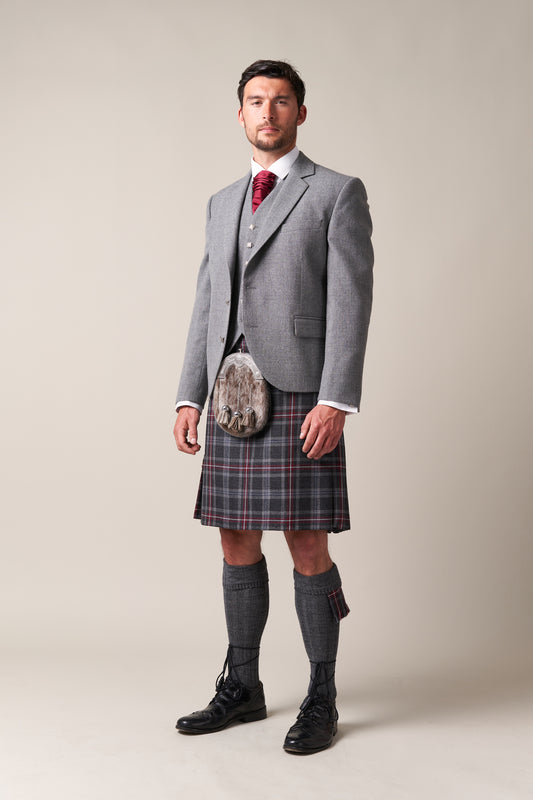
A key example of this can be found within our exclusive ‘Weathered Pride’ tartan. This tartan features beautifully soothing shades of green, brown and light cyan blue to play upon the natural tones of the stunning Scottish landscapes.
Earthy Tones
Rich and fragrant earth tones can be found within the softer shades. Oakwood browns, delicate natural greens and deep oceanic blues are a few of the many shades that can be played upon in trending tartans. These pigments are versatile and draw from Scotland’s authentic beauty.
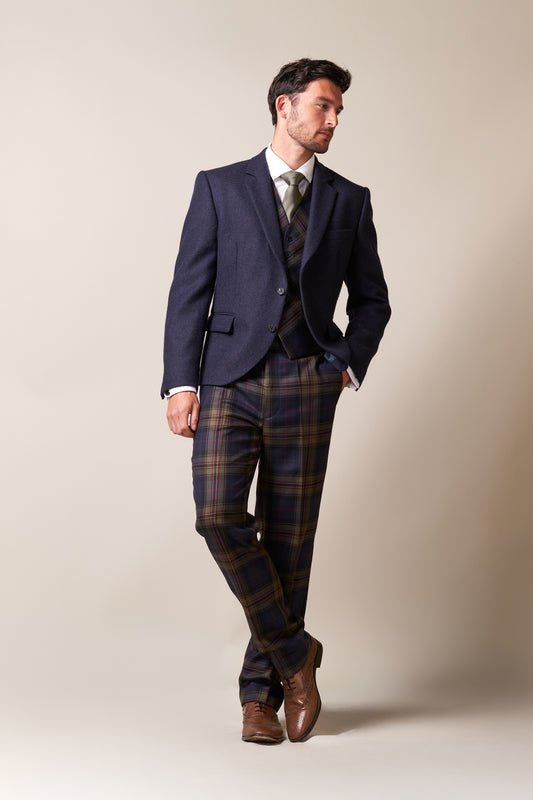
A great example of these can be found in our range of tweed jackets.
Texture
Texture within menswear is very in trend as a whole but it comes forth brilliantly within Highlandwear. Texture often presents itself in the current trends within tweed. Tweed jackets allow for a standout piece as they include a point of difference within the ensemble. They can also break up the, sometimes, monochromatic styling that can be found within plain jackets alongside matching kilts.
Tweed jackets also fit within the now popular, natural tones that can be seen in contemporary tartan. Found often in light greens and browns, these jackets greatly mimic a walk through the Scottish countryside. Tweed jackets can also be on the plain side which can bring out the shades within the tartan and can amplify the once softer colours in a positive way and let them pop.
Muted
While these colours and earthy shades may not be as exaggerated as some of the tartans presented within the last fashion seasons, these natural tartans often allow for accessorisation to shine. With delicate colouring, you can pick a show stopping sporran, or an unique kilt pin or even an eye catching belt buckle.
The History of The Kilt
There is no soil richer with history than that of Scottish soil. A country rife with deep historical roots, none of it is truer to our heritage than that of a traditional Scottish Kilt. A symbol of National Dress, the kilt is a piece of ancestral culture deeply entwined with modern day traditions. Kilts are now worn at formal events and are celebrated as an embrace of true Scottishness. But was this always the case? What is the history of our famed tartan ensemble?
At McCalls Highlandwear, we believe that the Pride of Scotland should be thoroughly celebrated so join us on a tour of our Kilts - starting with Kilts; A History.
The Origin of the Kilt - The Great Kilt
The origins of the ‘Kilt’ as we come to know it, can be traced to the later half of the 16th century where the ‘Kilt’ was known as either the ‘Great Plaid’ or the ‘Great Kilt’.
The ‘Great Kilt’ (also known as ‘feileadh mór’ in Gaelic) more closely resembled a cloak than the vision of a traditional Scottish ‘Kilt’.The cloak was a much larger size due to an increase in woollen production which meant it began to be gathered up and belted. The ‘Great Kilt’ was originally a length of thick woollen cloth made up from widths sewn together to give a total width of 140 to 150 cm, and up to 6.4 m in length. This was then gathered into pleats and secured with a belt.
The ‘Great Kilt’ was made up of two sections. The upper half was more like the cloak the ‘Great Kilt’ is described as and was often used as an early protectant of the infamous Scottish weather as it could be worn over the head. The ‘cloak’ half could also be worn over the left shoulder and would hang to the belt as well as being gathered up at the front. The lower half of the ‘Great Kilt’ was much more reminiscent of the modern day kilt as this is where it stemmed from.
The Origin of the Kilt - The Small Kilt
From as early as 1624, the inclusion of Kilts in battle was recognised. The Independent Highland Company, for example, chose to dress in kilts while working as government troops. However, when wearing the ‘Great Kilt’, Scots would take off their tartan before battle and then would set it aside. This can only be seen as highly impractical for the Highlander Warriors who would still wear knee-length shirts of pleated leather.
So, sometime between the 17th and the 18th century, the ‘Small Kilt’ or the ‘Fèlieadh Beag’ was born.
Comprising a singular width of cloth hanging down below the belt, the ‘Small Kilt', was clearly evolved from the bottom half of the ‘Great Kilt’. The ‘Small Kilt’ was easier to fight with in battle than the ‘Great Kilt’.
The Banning of Kilts
Pretence
Prior to the later half of the 17th century, Britain was ruled by the Stuart dynasty. Rightful heirs to the British throne, but Scottish by blood. Following the death of the Stuart King and his two childless daughters the Protestant British Parliament needed a monarch.
They chose to overlook the deceased King’s son from his second marriage due to his Catholic faith. So, instead, they took the throne from the Stuarts and chose to place the German family, Hanoverian, upon it.
The Jacobite Rebellion
The denial of Charles Stuart to the throne sparked an outage. This outrage stemmed not just from the passing over of ‘their’ King, but the continuous oppression the Scottish people were facing from the English government which was beginning to get too much to handle.
The Scottish felt so strongly in the idea that their identity, their Scottish Pride, their land, was being overtaken by the English that they began to rise up. With Charles Stuart becoming the ‘face’ of the uprising with his claim to the English throne, many Scottish clans supported him by joining what was known as the Jacobite Rebellion. This was to try and wrench back their rightful land from the iron grip of the English.
They failed.
The 1746 Highland Dress Act
To punish Scotland for their treachery to the crown, the English parliament issued the 1746 Highland Dress Act.
Viewing the Scottish as vicious savages, with nothing but bloodlust for the English, the parliament formed the Dress Act to destroy Scottish identity, devolve the Scottish clans and crush the economic structure of Scotland.
New laws tore Scottish family estates from their hands and placed them into the English’s hands instead, restricted weapon owning, abolished the traditional language of Gaelic and banned the wearing of all tartans and Kilts for the average Scottish individual.
This complete abolishment of Scottish identity was a forced attempt to make Scots assimilate to the apparently more ‘civillised’ English, and this Act remained into place until 1782.
But, unfortunately, by 1782 the Dress Act had worked and traditional Scottish Highland dress was no longer ordinary Scottish wear.
Traditional Tartan
Historically, tartans were formed of few colours. These colours were formed from dyes made up of natural ingredients (plants, berries, trees etc) of ingredients specific to local regions and were then worn by people from these regions. These became traditional clan tartans.
The Re-popularity of Highlandwear
The revival of tartan and highlandwear initially came in 1822 when King George IV visited Edinburgh wearing full traditional Highland dress. He proceeded to suggest that people should wear their respective tartans to special occasions.
However, due to the fact that the weaving of traditional tartans had fallen away due to the Dress Act of 1746, tailors in the 1800s had to almost ‘reinvent’ clan tartans. From this, clan tartans became much more colourful and saturated due to the invention of more potent industrial dyes.
This then kickstarted the tradition of many Scots wearing traditional tartan kilts to formal events like weddings, galas, ceilidhs etc.
What Are Kilts Made Of?
The Kilt is made up of wool, specifically ‘worsted’ wool which is a high quality type of woollen yarn. As well as being made with wool, kilts have something called a ‘twil’ structure.
This twil structure creates a diagonal pattern within the weaving. Here altering colours cross in a diagonal lining pattern which creates; tartan!
Modern Styling of Highlandwear
In a modern day, the styling of the kilt greatly reflects the current fashion trends that sweep the media. Where the very traditional styling of tartan was quite structural in its formality, currently, tartan is popping up in more casually accessible ways - this ensures that tartan is taking the casual world by force as well as the formal. This is not to say, however, that formal kilts are falling in their popularity.
Within Scottish culture, the kilt is still celebrated as an image of formal attire, Scottish Pride and true sophistication.
The formal kilt incorporates key fashion trends within the tartan as well as incorporating other aspects within the other pieces of the formal wear.
Soft Colours
Softer tones of colours are currently very in trend and contemporary highlandwear reflects this. Softer hues of strong, rich colours run throughout some tartans and which allows for all the corresponding shades to thrive together within the patterns – no colour is too overpowering, no shade is taken away from. The colours all blend together beautifully as well as being able to stand out within their own rights. The delicate colours step away from an oversaturation of colour and chooses to, instead, embrace tones more similar to the beautiful Scottish highlands.
A key example of this can be found within McCalls Highlandwear 2023 ‘Weathered Pride’ tartan. This tartan features beautifully soothing shades of green, brown and light cyan blue to play upon the natural tones of the stunning Scottish landscapes.
Earthy Tones
Rich and fragrant earth tones can be found within the softer shades. Oakwood browns, delicate natural greens and deep oceanic blues are a few of the many shades that can be played upon in trending tartans. These pigments are versatile and draw from Scotland’s authentic beauty.
Texture
Texture within menswear is very in trend as a whole but it comes forth brilliantly within Highlandwear. Texture oft presents itself in the current trends within tweed.Tweed jackets allow for a standout piece as they include a point of difference within the ensemble. They can also break up the, sometimes, monochromatic styling that can be found within plain jackets alongside matching kilts.
Tweed jackets also fit within the now popular, natural tones that can be seen in contemporary tartan. Found often in light greens and browns, these jackets greatly mimic a walk through the Scottish countryside. Tweed jackets can also be on the plain side which can bring out the shades within the tartan and can amplify the once softer colours in a positive way and let them pop.
Muted
While these colours and earthy shades may not be as exaggerated as some of the tartans presented within the last fashion seasons, these natural tartans often allow for accessorisation to shine. With delicate colouring, you can pick a show stopping sporren, or a unique kilt pin or even an eye catching belt buckle.
Bonfire Night Checklist: Staying Dry and Warm
Every year on the 5th of November, many Scots gather outside with family and friends, wrapped up in cosy clothes, with a hot drink in hand, simply to watch the spectacular views of the firework displays across Scotland.
With the bonfire night fast approaching, we have put together a list of things that can help you stay dry and warm and therefore get the most enjoyment out of this special night.
It would be quite the surprise if the Bonfire Night didn't consist of some Scottish rain, and instead of hoping for the best, you should prepare for the worst-case scenario and bring an umbrella to the event. It is not only good for staying dry, but it is also a great excuse to gather all your loved ones under one large umbrella and keep them and yourself warm.
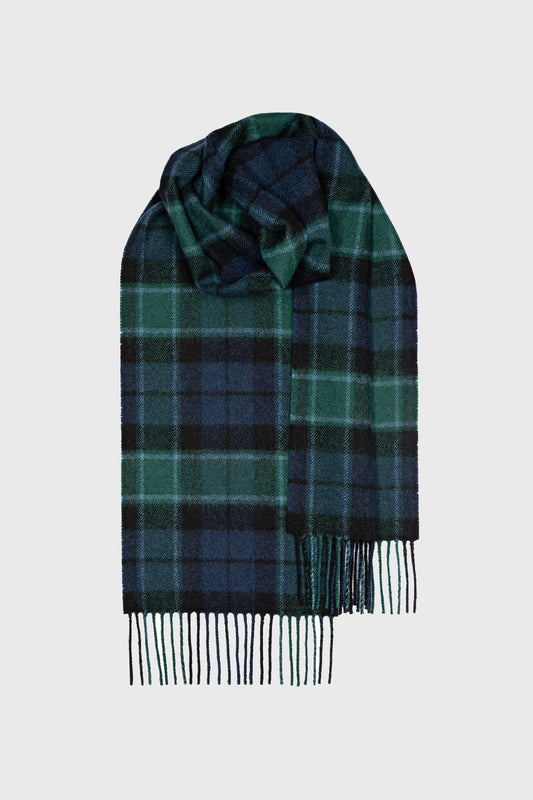
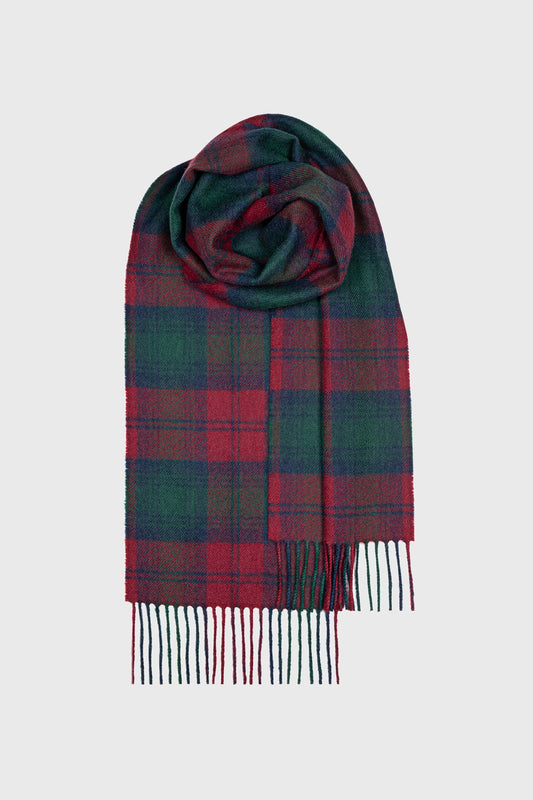
An absolute must to keep yourself warm during a cold Bonfire Night and avoid getting a cold is a warm high-quality scarf. Scarves made out of 100% wool are one of the best at keeping you warm during colder days while being lightweight and very soft to the touch.
If, like most of us, you are going out to see the firework display, as opposed to watching it from the comfort of your home, it might be a good idea to bring a flask with a warming Bonfire Night drink to complete your night (and keep you warm, of course). Whether you enjoy a mulled wine or fancy a hot toddy, the flask will keep your go-to warming drink hot, allowing you to enjoy it for as long as you are out enjoying the night.
A blanket or a rug is a great addition to your Bonfire Night celebration, whether you spend it outside or at home. Wrap yourself to stay extra warm, or share it with a loved one while you cosy up together - you can never go wrong with it. Blankets made out of 100% wool are incredibly soft and are great at keeping you toasty during the colder temperatures.
All the items we selected guarantee to help you stay dry and warm during the Bonfire Night.
This celebration can be very cold and lengthy, therefore, it is extremely important to prepare for the night in advance and dress extra warm so you can fully enjoy your night and have the best time with your friends and family.

King Charles III Tartan
As per tradition, King Charles appeared at the Braemar Highland games on Saturday, 2nd of September wearing a kilt. However, what was notable about his kilt, was the specially designed tartan.
The King Charles III tartan was designed on the 6th of May, 2023 by The Scottish Tartans Authority and approved by the King himself. The new tartan was designed in recognition of the King’s strong support in preserving the culture of Highland Dress and Scottish Tartans but also to mark his coronation almost exactly a year on.
King Charles’ new tartan is based on the Balmoral tartan sett that dates from c.1850 and is woven entirely from Scottish wool by Lochcarron of Scotland in Selkirk. The tartan features a central stripe motif with colours that have been matched to the natural dyes of the 18th-century tartan collection.
On this occasion, King Charles paired his new tartan kilt with a white shirt, beige crail jacket and waistcoat, dressed it up with red hose and opted for a brown leather day sporran from Margaret Morrison. He was joined by Queen Camilla and Princess Anne who both wore tartan skirts.
His Majesty’s new tartan will join the Royal Family’s Balmoral tartan as another restricted design that is for the exclusive use of the Royal Family members. Both of these tartans can be woven strictly with written permission from the Scottish Tartans Authority under instruction from the Royal Household.
Keeping with the times: Headlining tartan moments
Just like many good things, tartan has been around for quite some time. But what are some of the milestones you should know about? Join McCalls on this journey through the checks and setts of history and see how this fabric has created some seriously fashionable moments…
A triumphant return
A massive moment for the development of tartan, it was the visit of King George IV to Scotland that would act as a major reintroduction to highlandwear, not just for Scots but equally for a bigger audience. As many will know from their history classes, before the 1782 repeal of the Dress Act, it had been illegal for civilians to wear highlandwear for almost 40 years. But as the years passed after the repeal, traditional Scottish culture became fashionable and as the king arrived in Scotland in August 1822, there was a tartan boom. Aided by Sir Walter Scott and his Edinburgh pageants, tartan was back on the scene and kilts were worn by both lowland nobility and proud highlanders.
The tartan-donning master that served haggis…
Throughout the times after the pompous return to Scotland by George IV, tartan has kept its role as a vital part of Scottish identity. Not just a strong force of representation for Scots, British royalty also kept up their love for the fabric and most prominent was perhaps the affection that Queen Victoria and her beloved Prince Albert held for the look.
But outside Balmoral Castle and jumping about a century forward after the reign of Queen Victoria, we saw tartan take centre-stage across the pond. When Scottish golfer Sandy Lyle birdied the final hole at the Masters Tournament in 1988, he became the first British winner at Augusta National Golf Club in Georgia, USA. This not only meant he could decide to serve Haggis to his fellow champions but his celebratory dinner also meant he got to pair a kilt with his new green Masters jacket, a move that made both tartan lovers and golf aficionados collectively excited.
‘Haute Couture’ makes its mark
Golfers may have been donning kilts and tweed since their sport’s infancy, but off the greens of the golf courses, tartan became a regular occurrence on catwalks in the late 1980s. Perhaps most recognisable among the designers enamoured by the fabric, was the late Dame Vivienne Westwood. She not only used influences from bonnie Scotland’s history, but also had Scottish weavers help her create new registered tartans. Vivienne Westwood also entrusted the mills of Lochcarron of Scotland to weave high-quality tartan for show stopping looks, just like us at McCalls still do today.
Iconic moments for your big day
Now going into the 21st century, tartan is more visible than ever and with the love for the designs spanning worldwide, today we see it styled in many different ways. At McCalls, we have continued to pave the way for tartan, its development and of course its accessibility. That is why we created our very own tartan range in the 1990s and these designs have been customer favourites since day one! Whether it is the iconic Granite Pride or the traditional Highland Pride, the now 15 different exclusive designs are available for anyone to wear and love as a hire, a purchase or a bespoke item. Never forgetting the moment when the newest look was unveiled on the catwalk at The Scottish Wedding Show in Glasgow, we are already seeing the popularity of the Weathered Pride tartan.
Get your own piece of fashion history with McCalls today! We are always happy to help and with our seven stores across Scotland and the extensive online shop, McCalls is the name you can trust for your highlandwear needs.
The Essential Scottish Gift Guide
Christmas is upon us and so is the time of gift shopping which can be both daunting and exciting… To help you make this holiday season a breeze, we at McCalls have compiled the ultimate guide to the presents your dear ones will love.
Starting off with the gifts for your life’s leading ladies, we list the best items for her! For example, why should the guys get all the highlandwear goodness? Give her a classic midi kilt this Christmas- a fun yet still traditional piece of clothing that will have her embracing the Scottish culture in her personal style.
Midi Kilts From £155
Or, let her keep cosy in style this winter with a stylish and warming scarf. This particular one has a stunning pop of colour that will put a smile on her face and keep her fashionable all throughout the colder months of spring too… Wanting to offer her some more style points? Upgrade to a beautiful serape, like this amazing Auld Scotland tartan one!
Scarves from £19.50
Serapes from £125
For the woman in your life with the warmest of hearts, help her keep the heat during winter with a beautifully patterned blanket! We love this one featuring the Black Watch tartan and as it’s made of 100% soft lambwool, she’ll happily be cuddling up with this all throughout the chillier months.
Blankets from £95
Finally, help the busy bee you love start the year off on an organised note with a striking yet practical purse. No more losing cards or scrambling around a packed bag for coins, she’ll appreciate this tidying accessory when going about her everyday life.
Purses from £13.50
Moving on from your lovely ladies, gone are the days of struggling to buy the perfect gift for the guy who has it all. With our handsome trews, you’ll help him look his best at the upcoming year’s occasions.
Our off-the-peg variants are the perfect gift as they don’t require fittings or waiting times! For example with a pair of Modern Pride tartan trews wrapped up in a soft present, you’ll be giving him the gift of style.
Trews from £180
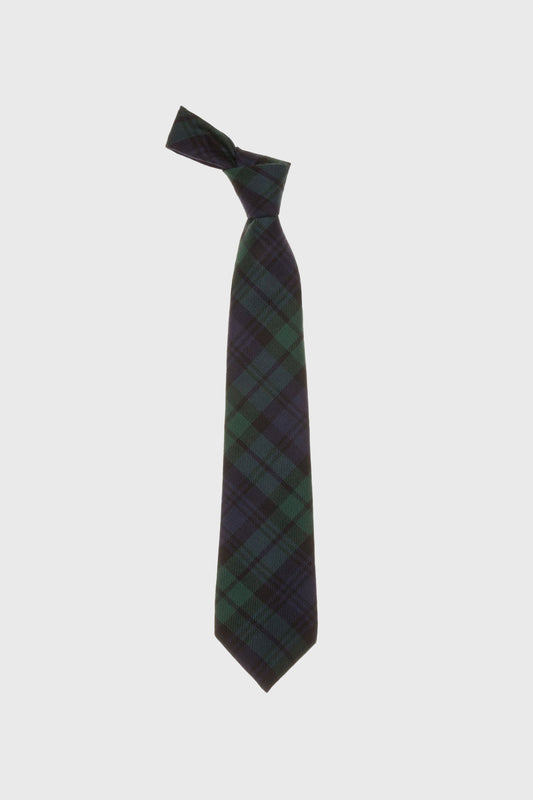
Speaking of fashionable choices, keep the man in your life looking dapper and smart with a handsome wool tie from our Pride of Scotland range. One fan-favourite is the ever-classic Silver Pride design. Great for a muted look while still offering a funky pop of red!
Tartan Ties from £25
Wanting to really treat the special Mr you adore? How about giving him the accessory of his dreams this holiday season with a stunning Black Pony Dress Sporran! While on the subject of classic highlandwear accessories, have your guy start off the year as strong and proud as a rampant lion with this handsome kilt pin.
Dress Sporrans from £135
Kilt Pins from £15
And, last but definitely not least, keep him hydrated and stylishly on point with a cool hip flask! We especially love the Granite Pride tartan clad one… Even better, it comes presented in a perfect wooden gift box!
Hip Flasks from £15
We hope you feel inspired and ready for giving all your favourite people the beautiful gifts you know they’ll love! Find all the items mentioned here and even more on our online shop!

The History of the Kilt Pin
The kilt pin is an accessory which is worn on the lower corner of a kilt. Kilt pins don’t just compliment a kilt, they are also very useful! As well as the special decorative touch to the outfit, kilt pins help to prevent the front of the kilt from opening.
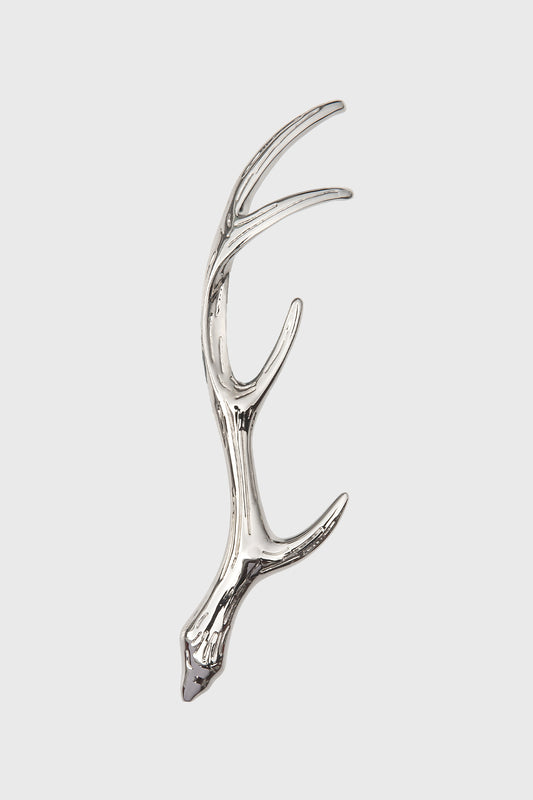
Many decorative kilt pins feature clans symbols, national emblems or native animals and plants. More modern kilt pins often showcase personal interests or are personalised for the wearer. This pin for example, features a stag, a well-known animal in Scotland. This particular pin has a black chrome finish but is available in other varieties.
It is hard to know an exact time for when kilt pins were introduced into Scottish heritage as there are so many different stories! We know that the tradition of wearing a kilt pin was introduced during Queen Victoria’s reign, this was to stop the kilt apron from opening and ensure the wearers modesty was hidden.
The Queen gave her own brooch to a soldier who was having difficulty with his kilt during the wind. Following this, Queen Victoria brought in rules to ensure that all military kilts had a fastening. Although the soldiers wore kilt pins at this time, they did not fasten the layers of cloth together using the pins as this would change the way the material hung.
Many Scots used this as an opportunity to showcase their wealth, many spent a lot of money on accessories such as kilt pins as ornamentation was very important. Even those who were less well-off would spend a lot on kilt pins which contained precious stones within them.
The investment of a kilt pin was also used for practical reasons. If a clan member was to die, the silver accessories (including kilt pins) would cover the costs of their burial.
Kilt pins are available in a variety of colours, shapes, and sizes, appropriate for all occasions. The simplest style of pin is a large safety pin, which is suggested for sports dress. A more decorative pin would be suitable for formal day wear. A silver pin with a stone would typically be used for evening wear. The kilt pin can match the formality of any dress and occasion.
At McCalls we offer various kilt pins, suitable for all occasions!


